
Exploring cultural perspectives on the role of chance in gambling
Exploring cultural perspectives on the role of chance in gambling
The Historical Context of Gambling
Gambling has a rich history that transcends borders, with evidence of its practice dating back thousands of years. Ancient civilizations, such as the Chinese, Greeks, and Romans, engaged in various forms of gambling, integrating it into their cultural and social fabric. These early forms of gambling not only served as entertainment but also as a means of decision-making, often believed to be influenced by fate or divine intervention. Many people, including those who enjoy new experiences, may prefer options like casino not on gamstop for diverse gambling experiences.
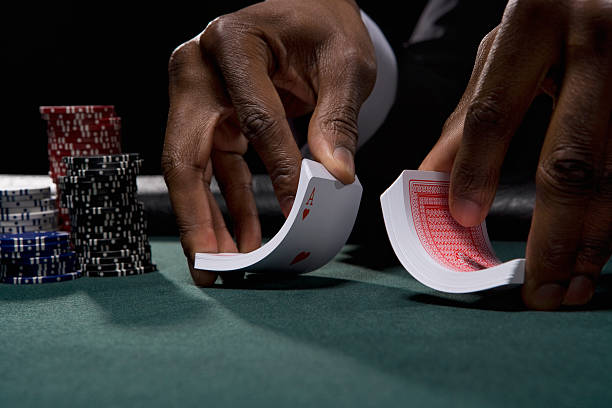
The historical evolution of gambling reflects changing attitudes toward chance and risk. In many cultures, games of chance have been seen as a way to embrace uncertainty, allowing participants to escape daily life and engage in a world where outcomes are unpredictable. This cultural embrace of chance has shaped not just gambling practices but also broader social norms regarding luck and fortune.
Cultural Variations in Gambling Practices
Diverse cultures approach gambling with unique perspectives and traditions. In some cultures, gambling is celebrated as a communal activity, fostering social bonds and collective experiences. For instance, in various Indigenous cultures, traditional games often involve elements of gambling, reinforcing community ties while respecting spiritual beliefs related to chance.
In contrast, other cultures may view gambling with suspicion or moral concern, associating it with vice and societal decay. These differing viewpoints shape gambling regulations and societal acceptance, influencing how individuals engage with chance-based activities. Understanding these cultural variations provides insight into the complex role of chance in gambling across societies.
The Psychological Aspect of Chance in Gambling
The psychological relationship between chance and gambling is profound, influencing both the behavior and perceptions of gamblers. Many individuals are drawn to gambling by the thrill of unpredictability, the hope of winning, and the allure of risk-taking. This psychological connection often leads to a deeper examination of how people view luck and fate.
Additionally, the concept of “gambler’s fallacy” demonstrates the complexities of human psychology in relation to chance. Many gamblers believe that past outcomes can influence future results, which can lead to both irrational betting behaviors and a fascinating exploration of human cognition. Understanding these psychological factors offers a more comprehensive view of how chance operates within gambling contexts.
The Role of Chance in Modern Gambling
Today, chance remains a central element in various forms of gambling, from traditional casinos to online platforms. Modern technology has transformed the gambling landscape, introducing innovative games and betting methods that heavily rely on random outcomes. This evolution raises questions about the ethical implications of chance-based gambling, particularly concerning addiction and societal impact.
As gambling becomes increasingly integrated into popular culture, its portrayal in media, advertising, and entertainment highlights the ongoing fascination with chance. The role of chance in gambling continues to evolve, reflecting societal attitudes toward risk, reward, and the unpredictability of life itself.

Insights from Drive-alive.co.uk
Drive-alive.co.uk provides a platform that focuses primarily on automotive resources but also offers insights into broader lifestyle topics, such as gambling. By exploring how chance is perceived across different cultures, the site aims to enrich the understanding of this intriguing subject. This perspective aligns with the site’s goal to engage its audience in meaningful discussions about societal trends and cultural practices.
As users navigate the complexities of various topics, including the role of chance in gambling, Drive-alive.co.uk stands as a resourceful guide, encouraging exploration and conversation. Through thoughtful content, it bridges the gap between everyday interests and deeper cultural reflections, making it a valuable platform for its audience.